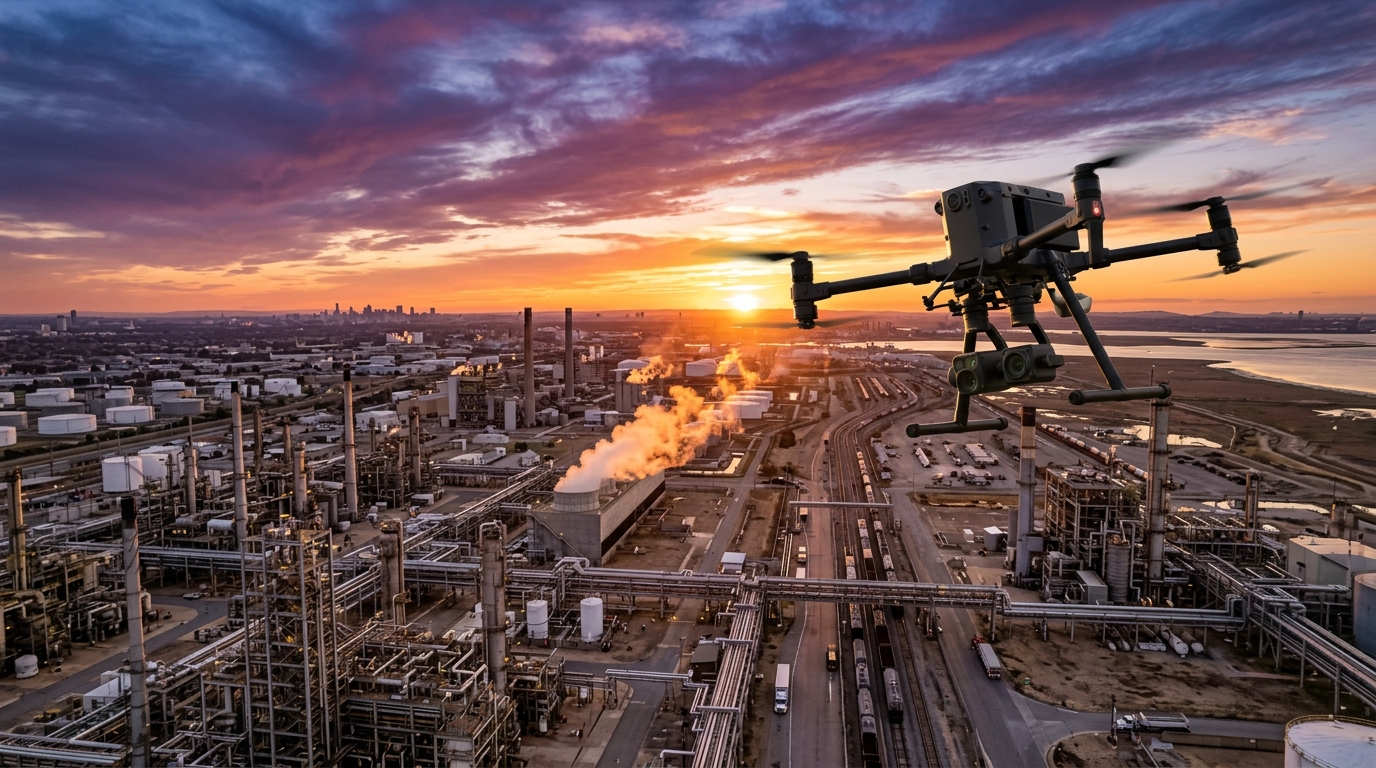
Inspect critical bridges, dams, chimneys, and towers without scaffolds, snooper trucks, or rope access. Our enterprise drones capture sub-millimeter cracks, concrete spalling, and rebar corrosion in complex, GPS-denied environments.
Inspecting aging civil structures has historically been one of the most hazardous and expensive undertakings in infrastructure management. Mobilizing bucket trucks, snooper cranes, and abseiling rope teams requires lane closures, permits, high costs, and places technicians in life-threatening positions suspended over roaring rivers or highway traffic.
DronexAviation replaces manual inspection risks with specialized industrial drone inspection systems. Equipped with top-mount upward gimbals, optical-flow visual positioning, LiDAR obstacle avoidance cages, and 200x hybrid zoom optical sensors, our UAVs navigate inches beneath bridge soffits, inside cooling towers, and adjacent to live dam spillways without reliance on satellite GPS signals.
Using proprietary computer vision and AI crack quantification pipelines, every image is automatically analyzed to measure crack length, crack aperture width down to 0.1mm, rust weeping stains, and delamination areasβproducing actionable engineering dossiers compliant with IRC:SP:35 and MoRTH inspection standards.
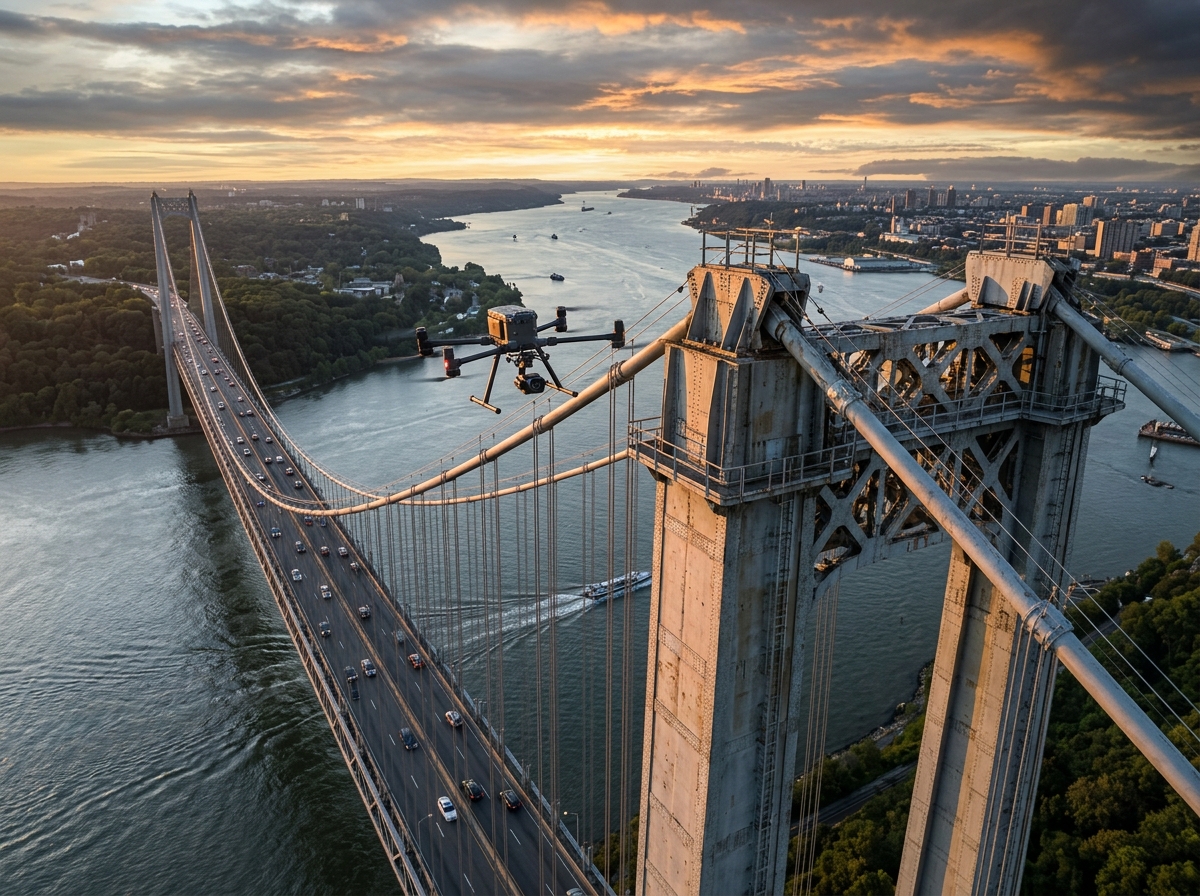
Delivering high-resolution visual and non-destructive testing diagnostics across complex infrastructure.

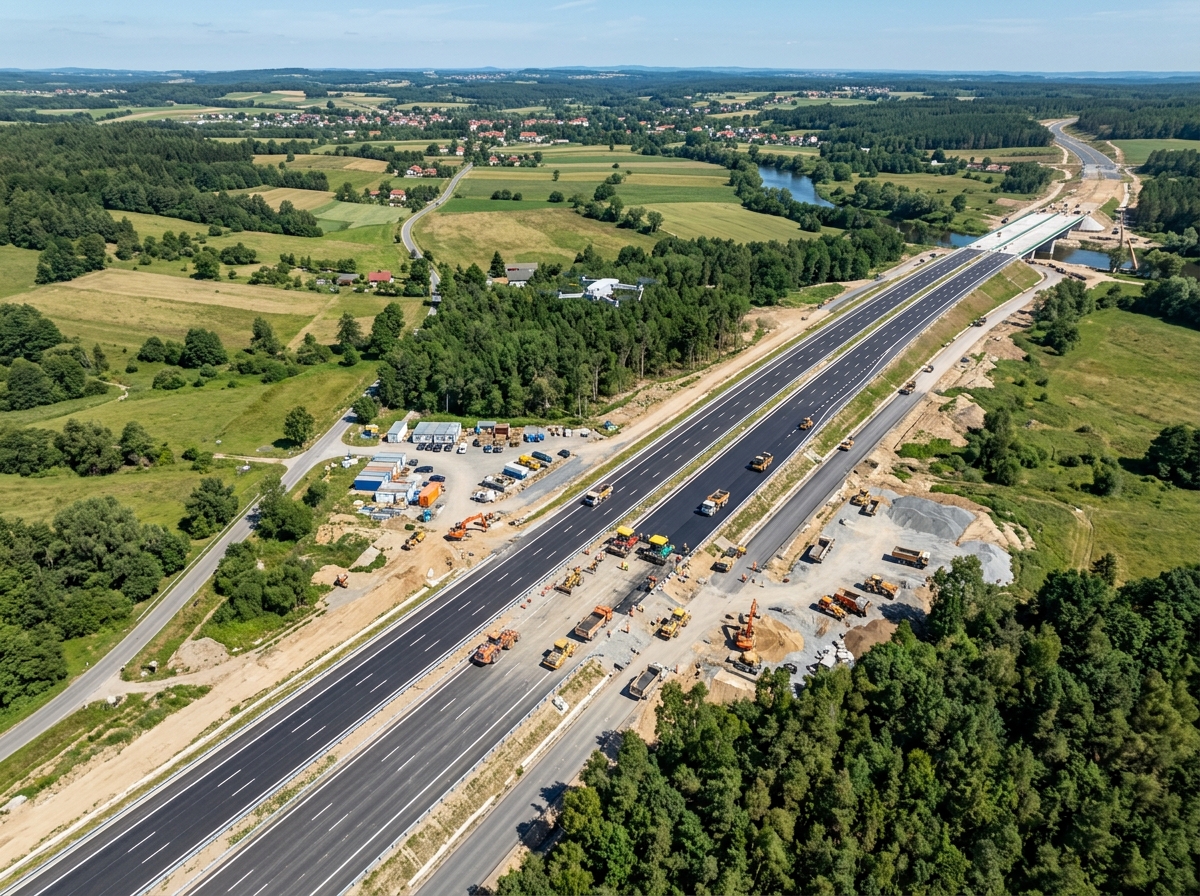
Inspect elastomeric bearings, rocker-roller assemblies, expansion joints, and under-deck prestressed concrete girders with zero traffic interruptions and zero lane closures.

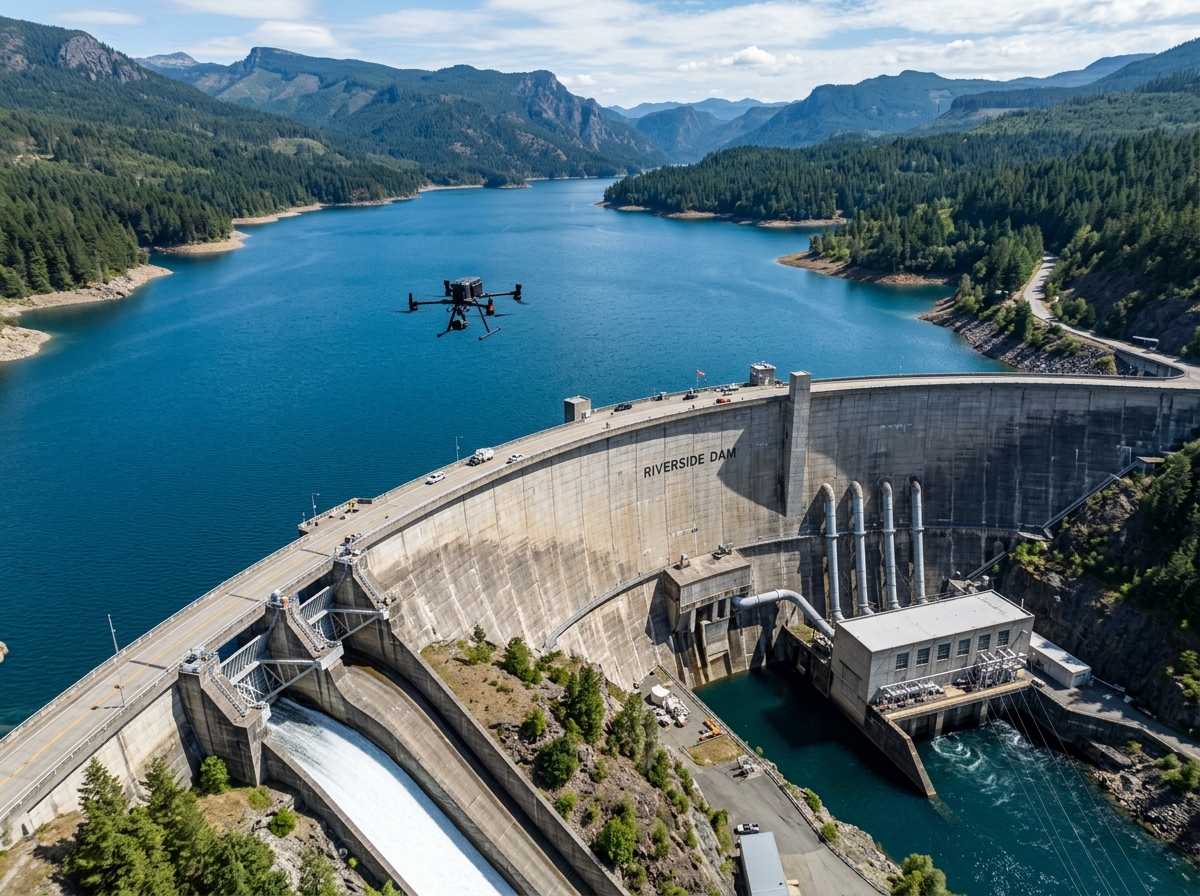
Map cavitation erosion on high-velocity concrete spillways, seepage lines along earthen embankments, and hydraulic radial gate seal wear on mammoth multi-arch reservoirs.

Inspect 150m+ thermal power plant chimneys, cement kilns, and refinery flare tips while operational. Eliminate months of scaffolding erection and lost production downtime.

Autonomous 4-surface blade flight tracking detects leading-edge erosion, lightning strike puncture holes, gel-coat microcracking, and aerodynamic vortex generator detachment.

Deploy collision-tolerant caged drones (Elios type) inside crude oil storage tanks, pressure vessels, and utility boilers without sending humans into oxygen-deficient confined spaces.

Document weathering, stone micro-fissuring, biological fungal growth, and structural shifting on ancient temples, forts, and ASI protected architectural marvels with zero physical impact.
Every identified defect is categorized according to IRC and international civil engineering codes.
| Defect Classification | Measured Parameter | Structural Risk Assessment | Recommended Engineering Action |
|---|---|---|---|
| Hairline Microcrack | Aperture < 0.2 mm | Low: Superficial shrinkage or cosmetic plaster cracking | Record baseline GPS location and monitor during annual cycle. |
| Structural Shear/Flexural Crack | Aperture 0.2 mm to 1.5 mm | Moderate: Water ingress vector; early signs of tensile reinforcement stress | Epoxy pressure injection or polyurethane seal within 90 days. |
| Severe Crack with Spalling | Aperture > 1.5 mm, depth > 25 mm | High: Concrete cover loss, accelerated carbonation, rebar section reduction | Immediate structural shoring and polymer-modified mortar repair. |
| Exposed Rebar Delamination | Exposed oxidized reinforcement steel | Critical: Active cross-sectional steel loss; capacity compromise | Priority 1 emergency rehabilitation; load restriction on structure. |
| Efflorescence & Leaching | Calcium carbonate deposits | Warning: Internal water seepage through porous concrete matrix | Waterproofing barrier re-application and internal drainage clearing. |
Engineered to produce defensible, auditable data for structural integrity certificates.
We build a preliminary 3D obstacle model of the structure in software to calculate safe standoff distances, illumination angles, and optimum lens focal lengths.
Pilots deploy specialized drones equipped with oblique and upward gimbals, capturing ultra-crisp 45MP images with 10,000 lumen LED floodlights for dark corners.
Neural networks isolate every crack, spall, and corroded rebar, measuring exact millimeter widths, lengths, and areas referenced directly to the CAD coordinate frame.
Licensed civil and structural engineers review findings, validate defect classifications, and provide certified condition assessment reports with repair timelines.
Comprehensive technical packages delivered in both executive summary and deep-dive engineering formats.
Flattened, undistorted 2D true-scale elevation views of entire piers, bridge girders, and dam spillways with millimeter measurement scale.
Vector CAD overlay (DWG / PDF) showing exact crack traces, width callouts, spall perimeters, and severity color coding.
Interactive 3D textured mesh where clicking any structural node opens original 45MP macro photos of that exact physical bolt or crack.
Formal condition assessment dossier compliant with IRC:SP:35, MoRTH, and CPWD guidelines, complete with repair methodology suggestions.

By utilizing 45MP full-frame mechanical shutter cameras positioned at stand-off distances of 1.5 to 3.0 meters, our imaging systems achieve a ground sampling distance (GSD) as fine as 0.2 mm per pixel. Combined with sub-pixel edge detection algorithms, we reliably detect, measure, and track hairline cracks as fine as 0.1 mm (0.004 inches) in aperture width.
Underneath massive concrete or steel bridge decks, satellite GNSS signals are completely blocked (GPS-denied environment). Our inspection drones utilize downward and upward optical-flow visual positioning cameras, dual-laser time-of-flight (ToF) rangefinders, and 360-degree LiDAR collision avoidance systems to hold rock-solid position in mid-air without GPS.
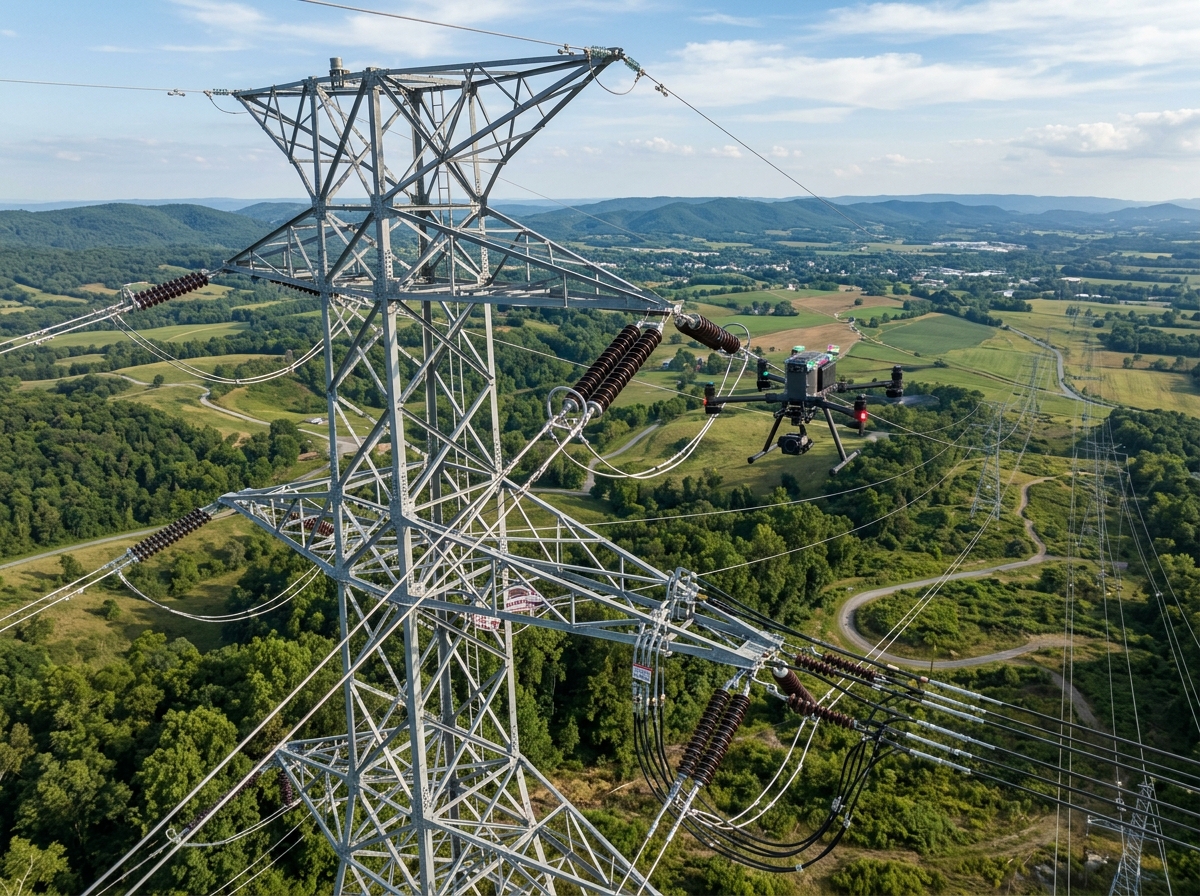
Yes! High-zoom optical and radiometric thermal payloads allow us to inspect operating flare stacks, cement preheater towers, high-voltage substations, and active highway bridges from safe stand-off distances of 15 to 40 meters, completely eliminating plant shutdowns or road closures.
Yes. Our inspection reports are structured to comply with Indian Road Congress (IRC:SP:35), Ministry of Road Transport and Highways (MoRTH), Central Water Commission (CWC) Dam Safety Guidelines, and CPWD maintenance manuals.
Schedule an initial structural drone inspection with our certified civil engineers and UAV flight crew.